Skip to content
Project AB Project AB

Discovering Life's Insights, One Thought at a Time.

Project AB
Project AB

Discovering Life's Insights, One Thought at a Time.

The Universal Language of Chanting in Sprituality

Posted on 27/11/202310/07/2026 By Reedz

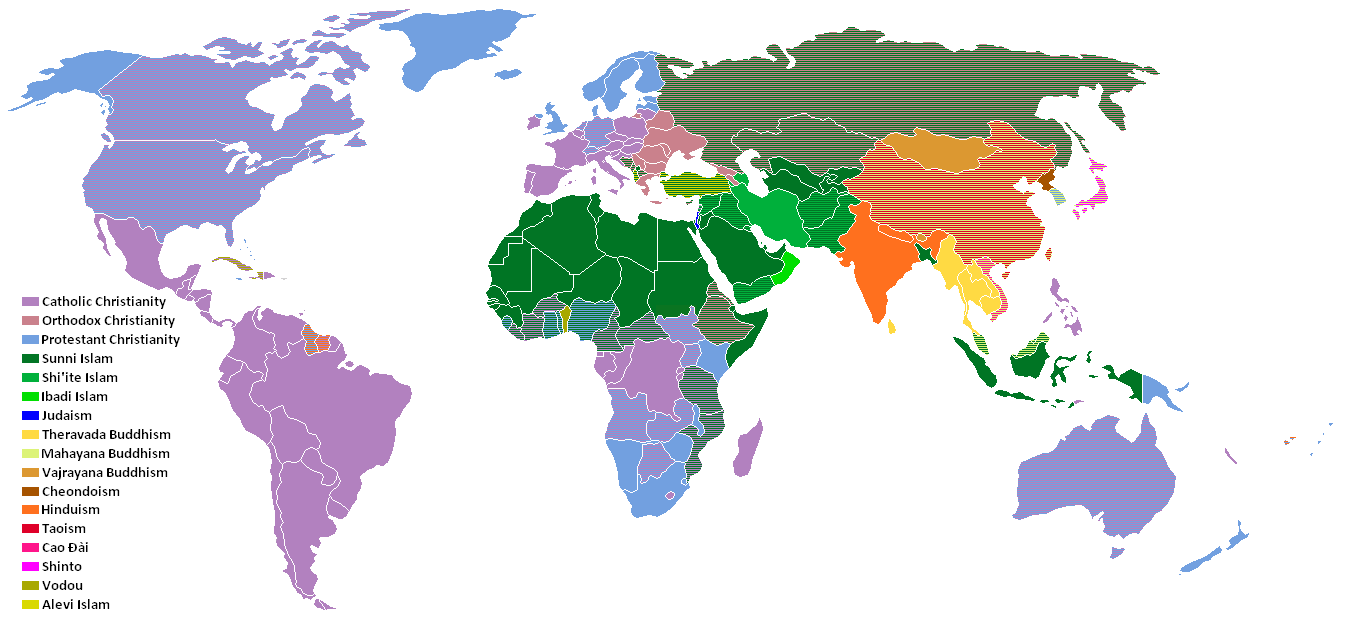
Chanting, a rhythmic vocalization of words or sounds, is a universal element found in various religious and cultural traditions around the world. From the Zikr in Islam to the Gregorian chants in Christianity, from the mantras in Hinduism and Buddhism to the rich oral traditions of African, Hawaiian, Native American, Assyrian, and Australian Aboriginal cultures, chanting serves as a bridge between the mundane and the divine, the human and the transcendent.

Chanting in Major World Religions

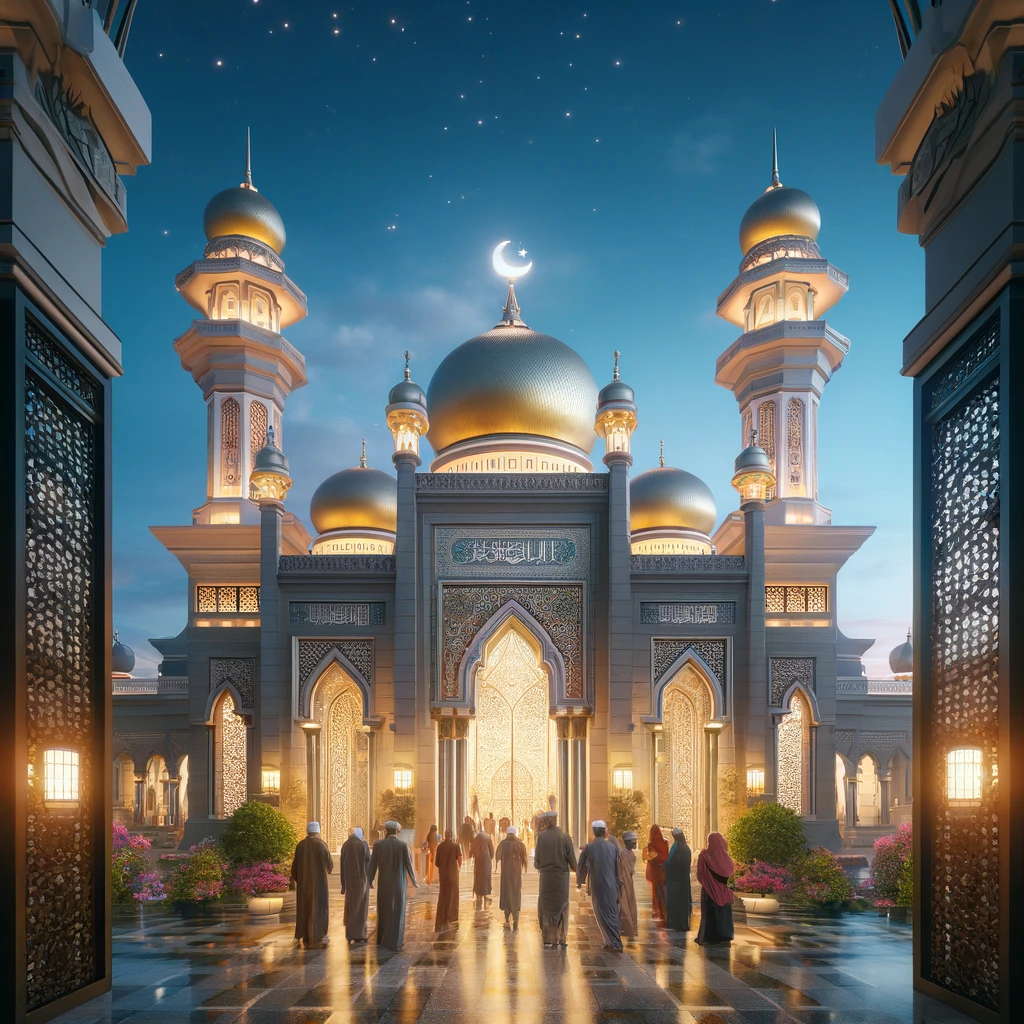
  1. Islam: In Islam, Zikr involves the recitation of Allah’s names and verses from the Quran. It’s a practice aimed at remembering and glorifying God, often leading to a state of spiritual awareness and tranquility.
  2. Christianity: In Christian traditions, particularly within Catholicism and Orthodoxy, chanting takes the form of Gregorian chants or hymns. These are used to elevate the soul, unify congregations, and express devotion during worship.
  3. Judaism: Jewish liturgical traditions incorporate chanting through the recitation of Torah and prayers. The cantillation of Hebrew scriptures is not just a musical practice but a deeply spiritual act, enhancing the communal worship experience.
  4. Hinduism: Hinduism uses ‘mantras’, sacred sounds or phrases believed to have spiritual powers. Chanting these mantras is a key part of Hindu worship, thought to purify the mind and connect the individual to the divine.
  5. Buddhism: Similar to Hinduism, Buddhist chanting involves the repetition of mantras and sutras. These chants are integral to meditation practices, aiding in focusing the mind and achieving spiritual enlightenment.

Chanting in Indigenous and Ancient Cultures

  1. African Cultures: African spiritual traditions are rich in oral and musical heritage. Chanting is often accompanied by drums and dancing, forming an integral part of rituals, storytelling, and community gatherings.
  2. Hawaiian Culture: Hawaiian chants, or ‘Oli’, are a revered form of storytelling and prayer. They serve as a means of preserving history, invoking the natural world, and connecting with ancestral spirits.
  3. Native American Cultures: Chanting in Native American traditions is deeply connected to nature and the spirit world. These chants are often part of rituals and ceremonies, serving as a medium for healing, guidance, and thanksgiving.
  4. Assyrian Culture: Assyrian spiritual practices include the chanting of ancient hymns, which are integral to their religious ceremonies. These chants are a link to their rich historical and cultural past.
  5. Australian Aboriginal Cultures: Chanting for Australian Aboriginals is tied to the ‘Dreamtime’, the core of their spiritual and cultural worldview. Their chants narrate ancestral stories, connecting them to the land and the spiritual realm.

Chanting, across various religions and cultures, is a testament to the human yearning for connection with something greater than oneself. It’s a practice that transcends geographical, cultural, and religious boundaries, uniting humanity in its quest for spiritual understanding and expression. Whether through the rhythmic recitations of Zikr or the melodious hymns of Christian chants, the meditative mantras of Eastern religions, or the vibrant oral traditions of indigenous cultures, chanting remains a powerful, unifying force in the human spiritual experience.
Share this:

  • Share on Facebook (Opens in new window) Facebook
  • Share on LinkedIn (Opens in new window) LinkedIn
  • Share on Telegram (Opens in new window) Telegram
  • Share on WhatsApp (Opens in new window) WhatsApp
  • Share on Reddit (Opens in new window) Reddit

Related

Faith & Reflection FeaturedIslamPeopleRandom

Post navigation

Previous post
Next post

Related Posts

The Importance of Family and Community During Ramadhan

Posted on 28/03/202310/07/2026

Ramadhan is not only a time for individual spiritual growth but also a time to come together as a family and community. It is a time when we gather with our loved ones to break our fasts and share meals, and a time when we engage in acts of charity…

Share this:

  • Share on Facebook (Opens in new window) Facebook
  • Share on LinkedIn (Opens in new window) LinkedIn
  • Share on Telegram (Opens in new window) Telegram
  • Share on WhatsApp (Opens in new window) WhatsApp
  • Share on Reddit (Opens in new window) Reddit
Read More

Building Strong Relationships: The Key to a Fulfilling Life

Posted on 19/02/202310/07/2026

In Islam, relationships are highly valued and considered to be an essential aspect of a fulfilling life. From our relationship with Allah SWT to our relationships with our family and friends, they play a crucial role in shaping who we are and our overall sense of happiness and well-being. In…

Share this:

  • Share on Facebook (Opens in new window) Facebook
  • Share on LinkedIn (Opens in new window) LinkedIn
  • Share on Telegram (Opens in new window) Telegram
  • Share on WhatsApp (Opens in new window) WhatsApp
  • Share on Reddit (Opens in new window) Reddit
Read More
Faith & Reflection

The 3 Circles of Influence: An Islamic Perspective on Focusing Your Energy

Posted on 11/10/202410/07/2026

Salam Jumaat Mubarak! On this blessed Friday, it feels apt to share a powerful observation on how we can better manage our lives and fulfil our responsibilities as Muslims. Let’s consider the concept of the “3 Circles of Influence,” as introduced by Stephen Covey, and how it harmonises beautifully with…

Share this:

  • Share on Facebook (Opens in new window) Facebook
  • Share on LinkedIn (Opens in new window) LinkedIn
  • Share on Telegram (Opens in new window) Telegram
  • Share on WhatsApp (Opens in new window) WhatsApp
  • Share on Reddit (Opens in new window) Reddit
Read More

Search

  • About
  • The Weight of Small Nations
  • Bruneian Chevening Scholars So Far...
  • New Media and Identities
  • Circle of Concern vs Circle of Influence
  • Ambuyat and Beyond: Exploring Bruneian Cuisine

Top Posts & Pages

  • Healthcare Reform, One Year On: What's Changed Since
  • Dirgahayu Kebawah Duli Tuan Patek
  • Telbru Turns Four with TelBru4U
  • New Media and Identities
  • The Second Time Around
  • Congratulations Idris and Zari
  • A Bruneian’s Take on Healthcare Reform: Balancing Progress and Compassion
  • The Business Icons of Brunei!
  • Daulat Kebawah Duli Tuan Patik #HMJubliEmas
  • AB Rewind: Catching Up With Ihsan, 16 Years Later

Archives

Meta

  • Log in
  • Entries feed
  • Comments feed
  • WordPress.org
© 2000-2026 Md Reeda Hj Malik

Loading Comments...

You must be logged in to post a comment.